
 29 Oct 2026
 7 min read
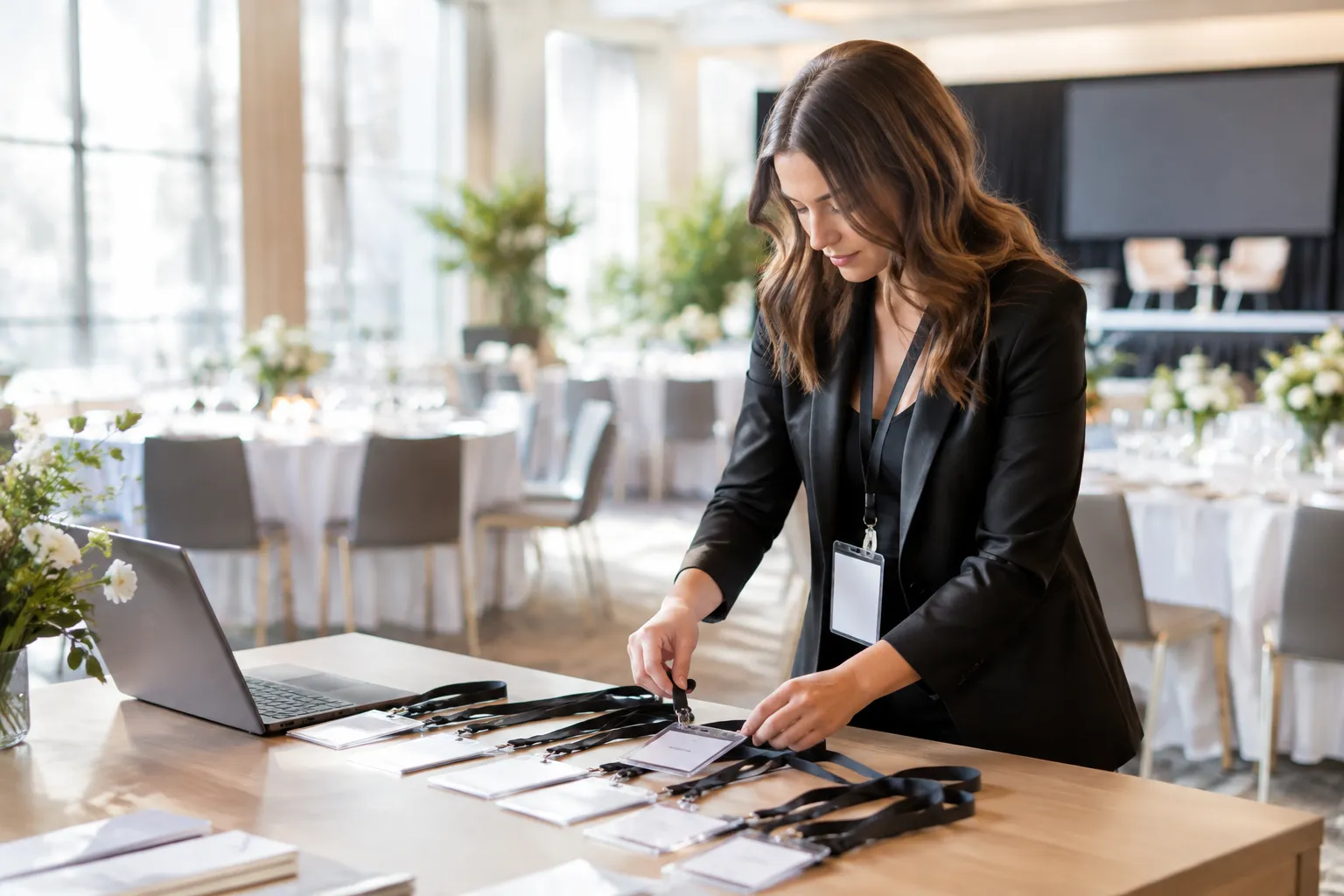
Organising a corporate event in Poland is easier when the business team and local planners agree early on the purpose, audience, budget, decision-makers and division of work. If you are asking how to organize a corporate event, start with those decisions—not the venue. They give everyone a shared brief and make it easier to manage changing requirements without leaving one internal planner to chase every detail.
Define what the event needs to achieve

Before comparing corporate event planning services, identify what the event must do for your business. A clear purpose helps you decide what to include, what to leave out and how to assess whether the event met its aims.
Match the format to the objective
A product launch, a partner gathering and an internal strategy meeting need different formats. A launch may call for a focused presentation and time for guests to explore what is being introduced. A partner event may need more space for conversation and introductions, while a strategy meeting may be better suited to a structured conference or congress.
Consider what guests should understand, discuss or be able to do after attending. Then choose the event format, setting and programme to support that aim. If you are still weighing up options, this guide to corporate event planning services can help you think through what to delegate. You can also compare corporate event formats against the purpose and audience you have in mind.
Define the audience and success measures
Set out who you want to invite, how many people you expect and what matters to them. For a Poland market-entry event, for example, the audience might include prospective partners, customers, local stakeholders or colleagues travelling from abroad. Their roles and expectations affect the programme, language, venue and guest communications.
Choose a few measures that reflect the event’s purpose. These might include attendance against invitations, participation in planned sessions, feedback from guests or the number of follow-up conversations your team records. Agree how each measure will be collected and who will review it. This gives the team a practical way to assess the event without treating attendance alone as proof of business impact.
Build a brief, budget and decision process

A useful brief turns a business objective into a plan a local team can act on. It should also make the handoff clear: the client supplies business context and approves key decisions; the planning team coordinates the agreed scope and flags choices requiring input.
Agree the brief and budget boundaries
Share the details that will shape the plan, even if some are provisional:
- The event objective, preferred dates and likely guest numbers
- The intended audience, event format and working language
- The budget range and what it needs to cover
- Essential requirements, preferences and non-negotiables
- Any existing company materials, brand guidance or internal policies
- The person responsible for approvals and the expected decision process
Discuss budget boundaries, including which elements are essential and where there may be flexibility. Ask how proposals will show what is included, what needs a separate decision and what could change the overall scope. If the date, format or guest count is still uncertain, say so; a clear planning assumption is more useful than an unspoken guess.
Set approval roles and timelines
Name one primary contact on the client side and identify any additional approvers, such as colleagues responsible for brand, finance or senior leadership. Agree who can make routine decisions and which changes must be escalated.
Set dates for reviewing proposals and approving key choices. Ask the local team to provide a schedule of planning meetings, decision deadlines and next steps, and to raise issues with options rather than simply passing problems back to you. On the client side, agree who will respond and how quickly. This gives both teams a workable rhythm, especially when several people need to sign off on a venue, programme or budget change.
Coordinate the venue and local suppliers in Poland
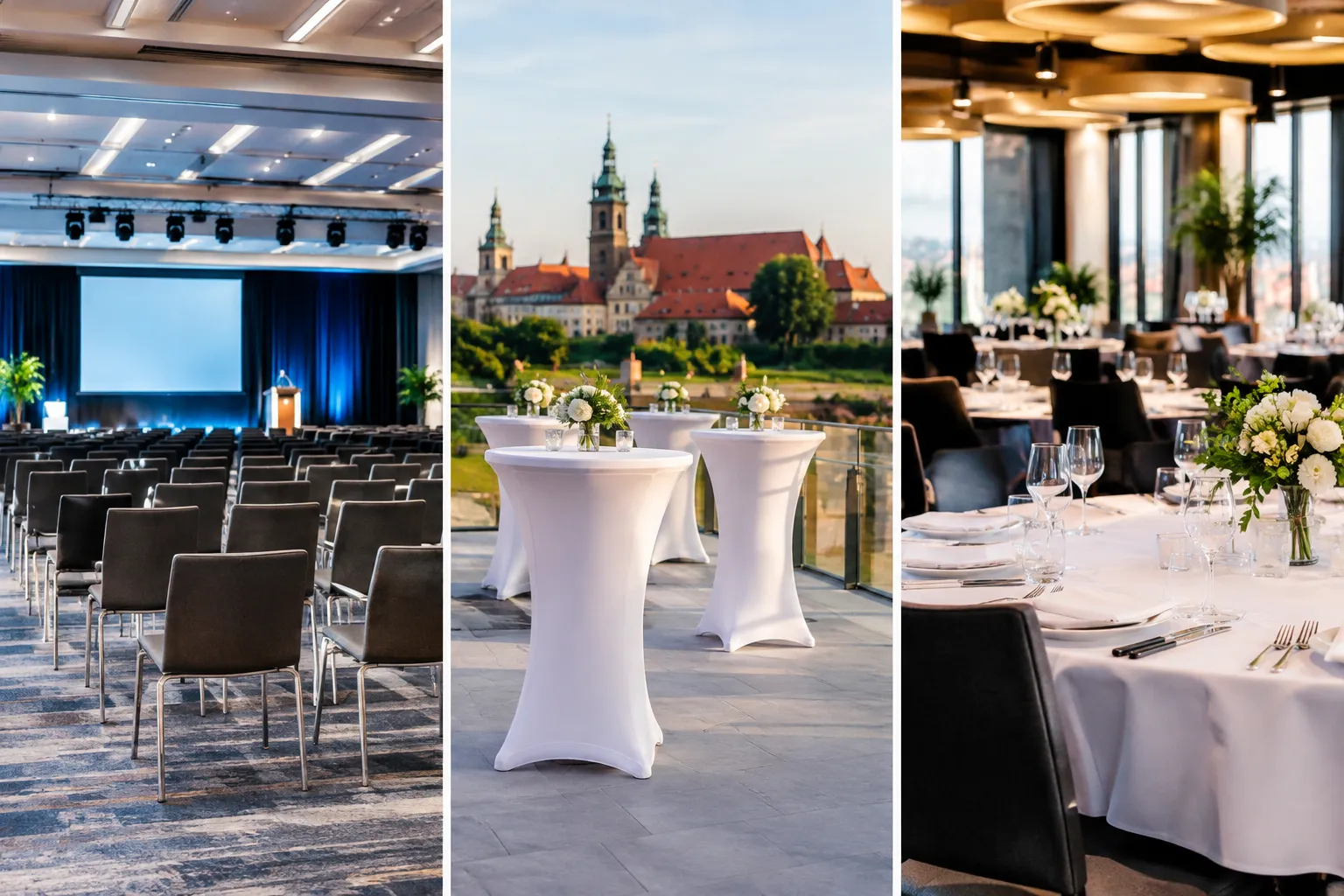
A local team can coordinate venue enquiries and supplier requirements against the brief, while your company retains approval of choices that affect the experience, brand or budget. Make the handoff explicit: agree what the team can arrange directly and what it must bring back for a decision. For more on comparing support, see event planners services for corporate events in Poland.
Shortlist venues against the event requirements
Start with practical fit rather than appearance. Compare location, capacity, layout, availability, access and technical facilities against the expected guest experience. A space that works for a seated conference may not suit a reception designed to encourage conversation.
For international guests, consider how straightforward it will be to reach the venue and find the event on arrival. Ask what the venue can provide, what needs to be sourced separately and what constraints could affect the schedule. The local team can gather information and coordinate visits or proposals; the client should confirm the final venue after reviewing the relevant trade-offs.
Align catering, AV and other suppliers
Catering, audiovisual support, furniture, interpretation and other requirements need to work together with the venue and programme. Give suppliers a shared brief, schedule and contact point so they are planning around the same event details.
Agree how proposals will be reviewed and who approves changes to scope or cost. The local team can coordinate supplier questions, timelines and updates, then bring forward decisions that need your input. Keep a record of confirmed requirements, including menu choices, technical needs and delivery times. If the programme changes, make sure the relevant suppliers receive the updated version rather than relying on informal messages.
Prepare the guest experience and event logistics

For guests travelling to Poland, clear information is part of the event experience. Decide what attendees need to know before they arrive and who is responsible for collecting, checking and sharing each detail.
Plan invitations, registration and information
Agree who will provide and approve invitation copy, registration questions and event information. Set a process for tracking responses and sharing changes with the planning team. Invitations should make the purpose, date, location, language and response process clear; reminders can then reinforce essential logistics as the event approaches.
Decide what information the agency may send on your behalf and what must come directly from your company. This is particularly useful when several internal teams own different parts of the guest communication. Confirm how attendance updates, dietary information and late changes will be passed to the people who need them.
Confirm travel, access and attendee needs
The client usually knows its guests and can identify the questions to ask; the local team can help coordinate practical arrangements in Poland. Confirm what guidance attendees need on getting to the venue, arrival times, access and the event-day contact.
Ask guests to share relevant dietary or accessibility requirements through an appropriate process, and agree who will review and act on the information. If attendees use different languages, decide which event materials or parts of the programme need language support. Make responsibilities clear: who collects details, who checks supplier arrangements and who responds to an attendee’s question.
Run the event and review what it achieved
Event-day coordination works best when the people on site know their responsibilities and have a clear route for decisions. Agree in advance who manages suppliers and guests, and what happens when a last-minute change affects the plan.
Assign event-day roles and escalation points
Create a running schedule with timings, contacts and the person responsible for each key activity. Assign roles for supplier coordination, guest arrivals, speakers and client-side decisions. Share the current version with everyone who needs it, including relevant suppliers.
Agree how urgent issues should be raised and who has authority to approve a change. For example, the local team might handle an operational adjustment within the approved plan, while a change affecting scope, cost or brand presentation goes to the named client approver. This structure gives the on-site team room to coordinate without leaving important decisions unclear.
Close out the event and assess results
After the event, check the outcomes against the measures agreed in the brief. Gather relevant feedback, review attendance and participation information, and record follow-up actions for the business team. Reconcile outstanding supplier or planning items through the agreed process.
A short review can also capture what to retain or change next time: which parts of the schedule worked as intended, where guests needed more guidance and whether the approval process was clear. Keep the findings with the event brief so future planning starts with useful context rather than assumptions.
Corporate event planning FAQs
How to organize a small event?
For a small event, confirm its purpose, guest list, budget, venue and decision-maker first; then coordinate only the suppliers and guest arrangements needed to deliver that brief.
What are the 5 C's in event planning?
The 5 C’s are commonly described as concept, coordination, control, culmination and close-out. Use them as a broad planning checklist, while adapting each stage to your event’s purpose and scope.
What are the 5 stages of event planning?
A practical five-stage sequence is set objectives, develop the plan and budget, coordinate delivery, run the event, then evaluate and close it out. The stages may overlap as decisions change.
Plan your Poland event
Share your objectives, budget boundaries and decision process with a local team to establish a clear planning brief and practical next steps for your event in Poland.


Agnieszka brings nearly 20 years of experience in marketing, communications and event management. At EVERITUM, she combines strategic brand thinking with practical event expertise to help international companies connect with their audiences in Poland through conferences, corporate galas and launch events. An Executive MBA graduate of WSB Merito in Poznań, she places clear communication, personal responsibility and lasting relationships at the heart of every project.