
 27 Oct 2026
 7 min read
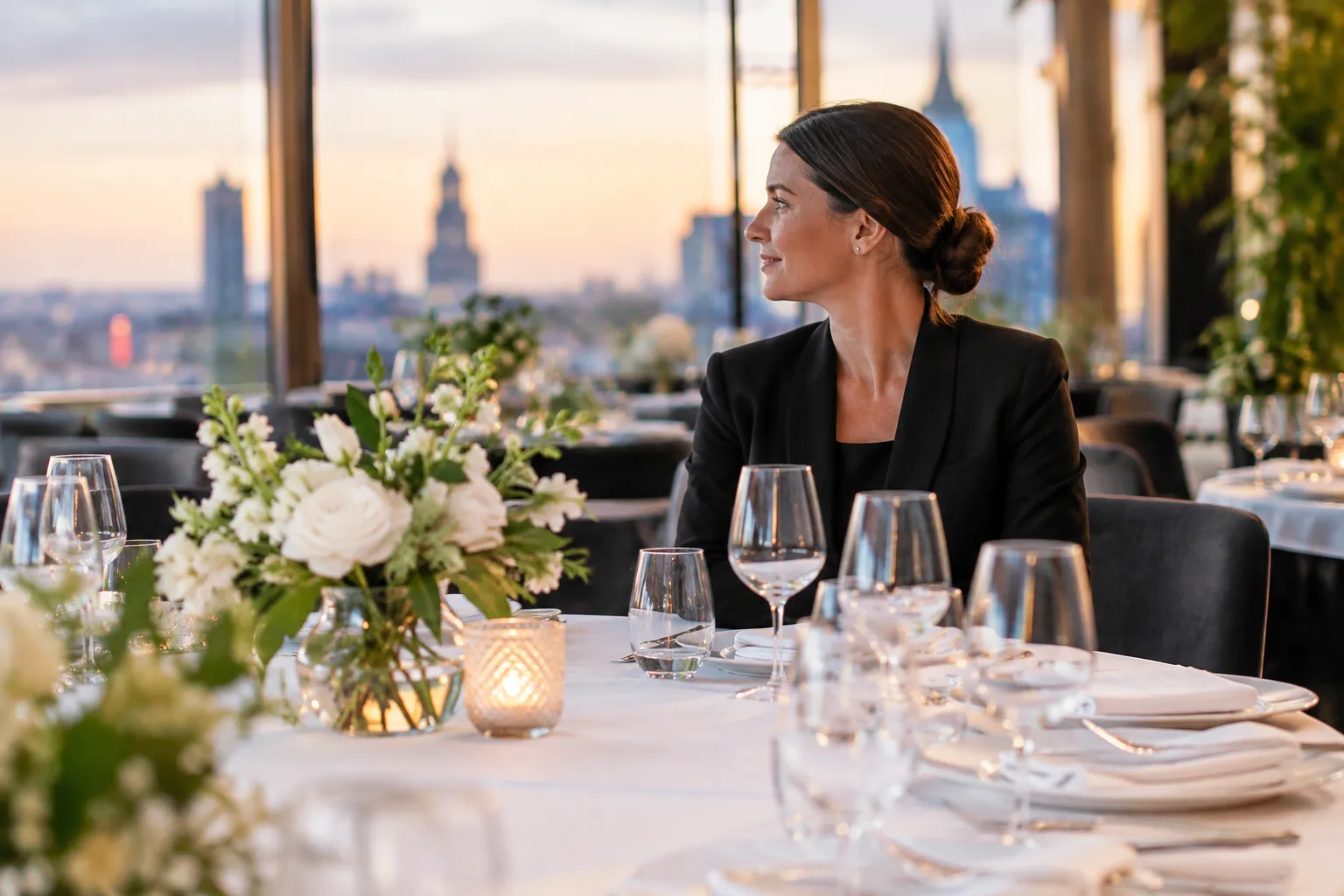
A good corporate dinner venue in Poland should make the evening easy to attend, comfortable for conversation and appropriate to its purpose. Start by agreeing what the dinner needs to achieve, then compare shortlisted venues on location, room layout, privacy, food and the service included.
Match the venue to the dinner’s purpose
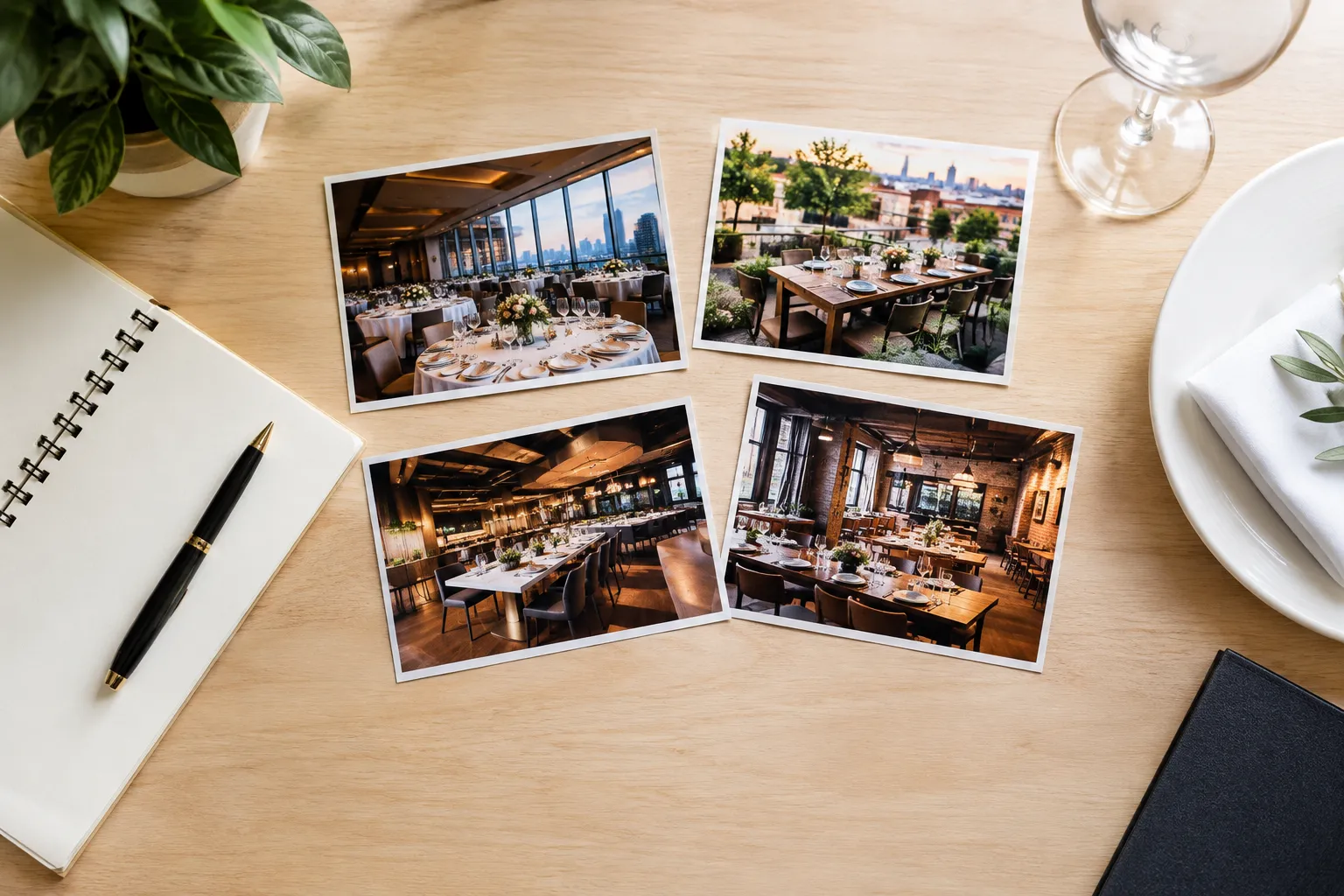
Before viewing corporate dinner venues, define the role of the evening. Is it a chance to build relationships with prospective partners, recognise a team, host senior leaders or bring guests together around a formal programme? The answer affects the room, atmosphere and level of service you need.
For a partner dinner, conversation usually matters more than entertainment. Look for a setting where guests can hear one another, move comfortably between courses and sit in a layout that supports introductions. A private room may suit a small group, while a larger dinner may need a dedicated area with enough space for a welcome or short remarks.
A gala calls for a different balance. Guests may expect a more formal arrival, speeches or entertainment, so check whether the venue can accommodate these elements without making dinner service feel rushed. For a leadership gathering, discretion, quiet and a seating plan that supports focused discussion may matter most.
Think about business etiquette dinner expectations too: how formal should the occasion feel, who will host, and whether guests are expected to make remarks? The answers help you assess whether a venue’s style fits the relationship you want to create. Our corporate dinners in Poland service can support planning when you need help coordinating the dinner as well as selecting a suitable setting.
A useful rule is to prioritise the event’s main purpose over a venue’s visual appeal. A striking room is not a good fit if it makes guests feel distant from one another or complicates the programme.
Choose a location guests can reach easily

A convenient corporate dinner venue reduces friction for guests, especially when they are travelling from abroad or arriving after a full day of meetings. Consider where guests will be before the dinner, where they are staying and how they will get back afterwards.
Compare the venue’s location with:
- Hotels where international guests may be staying
- The airport or main rail station, if guests are arriving that day
- The office, conference venue or other event location
- Available transport options for the planned finish time
A central venue can make it easier to combine dinner with meetings or accommodation, but a less central setting may better suit a private or distinctive occasion. Weigh the convenience against the travel time and arrangements guests will need. If your programme spans more than one city, explore business event destinations to help narrow down where the dinner could fit.
Ask the venue for clear directions and the practical details guests need: the entrance to use, drop-off arrangements and what to expect on arrival. If you are organising transport, confirm collection points and timings before communicating them to guests.
Check capacity, layout and privacy
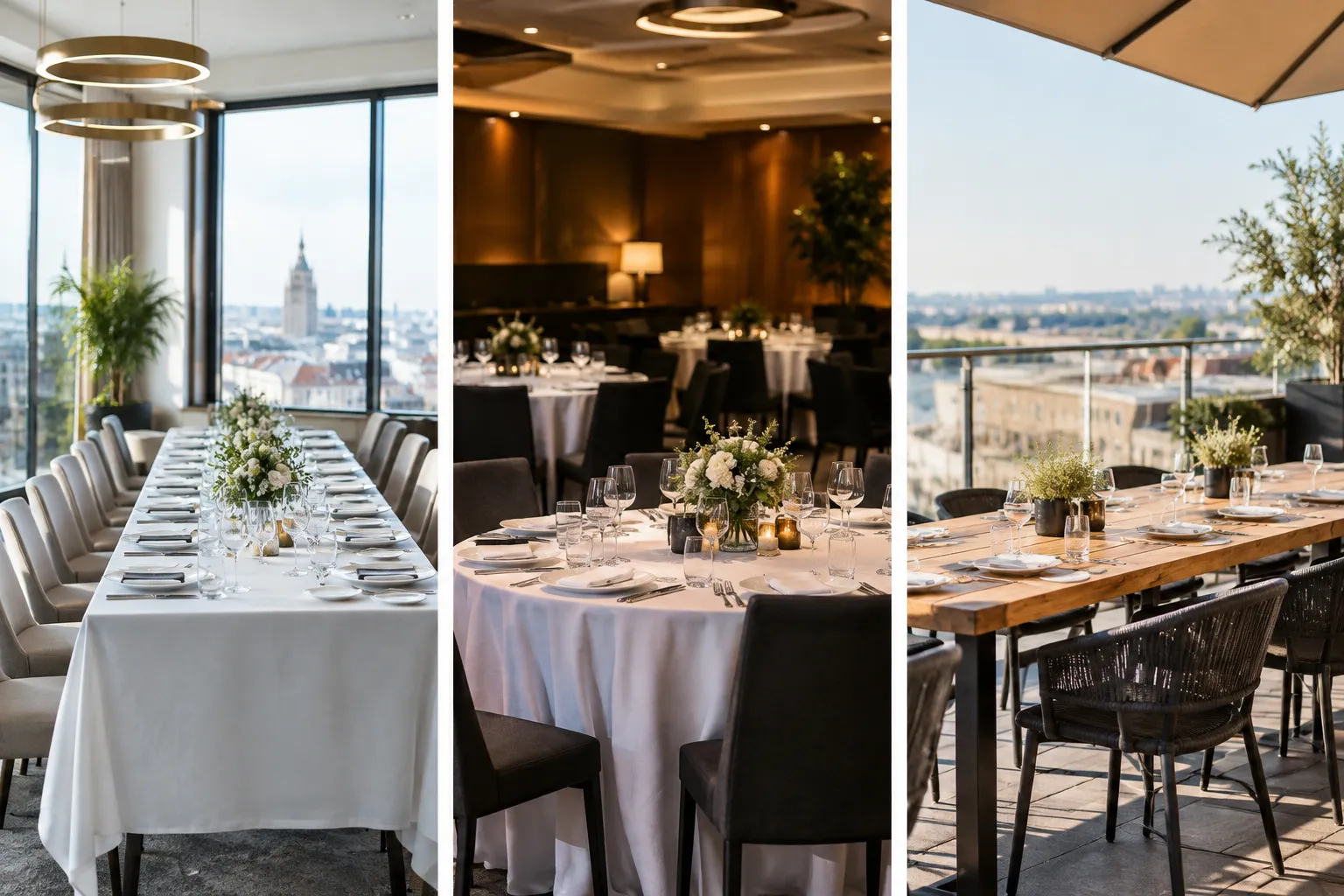
Do not assess capacity by guest count alone. Ask to see the room arranged in a way that resembles your dinner, then consider how the table plan, service routes and any programme elements will work together.
For example, a long table may create a sense of occasion but limit movement and make conversation across the group difficult. Round tables can encourage smaller-group discussion, though they may not suit every programme. If there will be a presentation, check sightlines from every seat and whether the speaker can be heard without disrupting dinner.
Privacy also has several levels. A fully private room, a partitioned area and a section of a restaurant offer different degrees of exclusivity and control over noise. Ask what other guests or events may be taking place nearby, and whether sound carries between spaces.
Check details such as:
- Whether the room has space for a welcome, speeches or a presentation
- How guests and staff move through the room
- Whether the layout can be changed and by when
- What privacy means in practice for this booking
- Whether the venue can accommodate the final guest count if it changes
For a smaller gathering, a large room can feel impersonal; for a larger one, a tightly fitted layout can make service and conversation awkward. If you are handing off venue coordination, agree who will confirm the floor plan, guest numbers and changes with the venue. Our guide to event planners’ services for corporate events in Poland explains the kinds of coordination that can be included.
Compare menus and service styles

Menu flexibility is important when guests have different dietary requirements, but the venue’s ability to manage those requests should be confirmed directly. Ask how dietary information should be collected, when final details are due and how meals will be identified and served on the night.
Compare the menu and service style as a package. A set menu can make timings easier to coordinate, while a choice of dishes may offer guests more flexibility but require earlier selections or additional administration. Shared dishes can encourage interaction, though they may not suit every group or dietary need.
Also clarify:
- What drinks are included, if any, and how additional orders are handled
- Whether courses are served to everyone at once or in stages
- How long the venue expects dinner service to take
- Whether there is flexibility to pause for speeches or a welcome
- What happens if a guest’s requirements change after the deadline
Business etiquette dinner planning includes matching the pace and formality of service to the occasion. A partner dinner may benefit from a calm rhythm that leaves room for conversation; a gala may require close coordination between courses and the programme. Ask the venue to talk you through a sample schedule so you can see whether it fits.
Ask practical questions during the site visit
A site visit is most useful when you arrive with the same event outline you will use to compare other venues: likely guest numbers, preferred date, programme, dietary needs and any accessibility requirements. Take notes and ask for answers in writing afterwards, especially where details affect the schedule or budget.
Use this checklist:
- What is included in the quoted package, and what may incur an additional charge?
- Which staff will be present during setup and the dinner, and who is the event-day contact?
- What are the access times for setup, deliveries and any decorations?
- Is audio-visual equipment available, and who is responsible for operating it?
- What are the deadlines for confirming guest numbers, menu choices and dietary requirements?
- Can the room layout or schedule change, and how should changes be requested?
- What step-free access and other accessibility arrangements are available?
- What is the plan if a room, service or timing detail changes before the event?
- What are the payment, cancellation and amendment terms?
Responsive coordination matters as much as the initial proposal. Before confirming, agree who will send updates, how often you will check in and when key decisions are due. This makes it easier to spot issues early rather than chasing answers close to the dinner date.
Select the corporate dinner venue that fits best
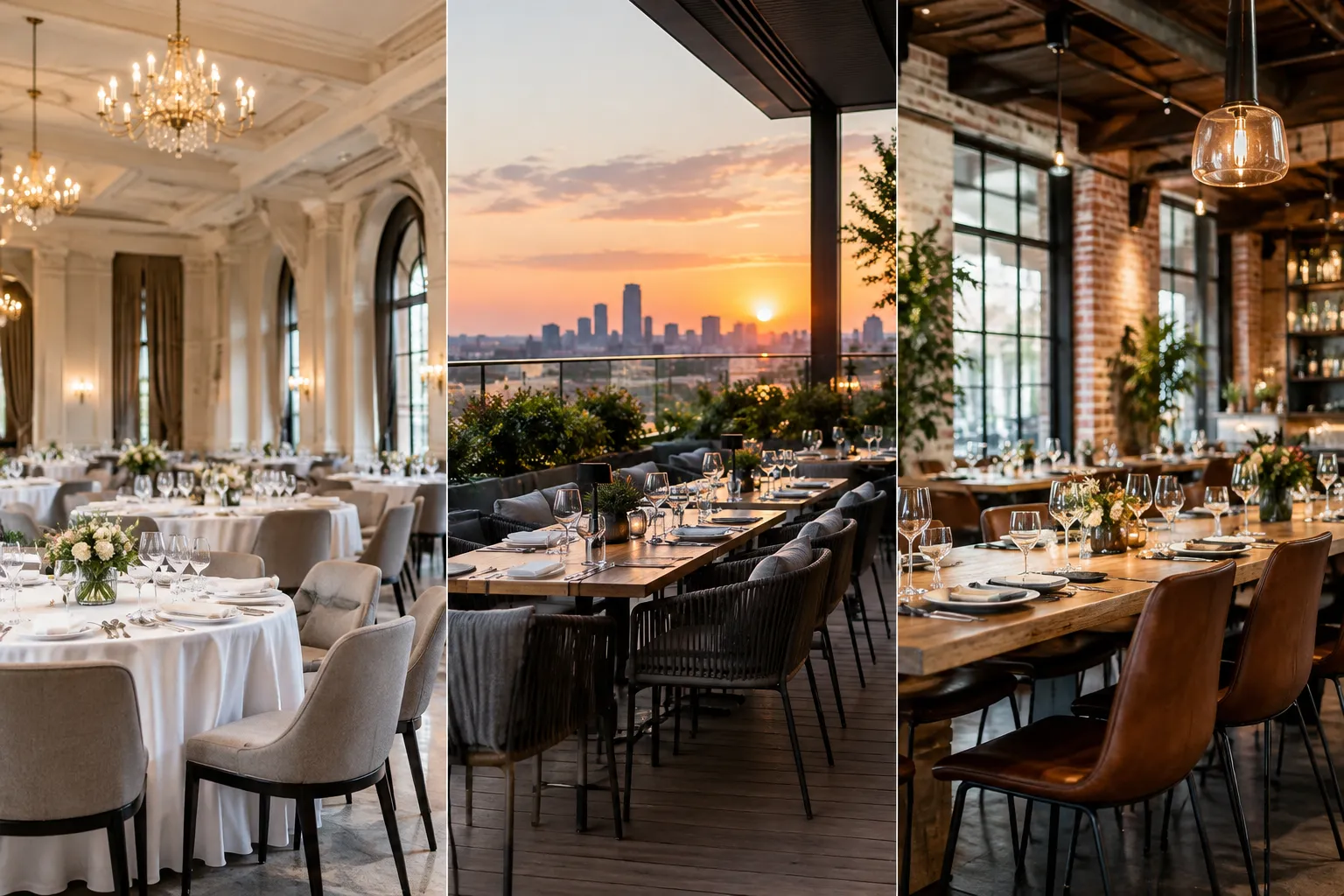
Compare venues against the priorities you set at the start, rather than relying on a general impression. A simple shortlist can use five criteria: fit for purpose, ease of access, room and privacy, food and service, and clarity of coordination.
Give each criterion a priority—essential, important or optional—then assess each venue against the same list. A venue that meets every essential requirement may be a better fit than one with more appealing extras but a difficult location or unclear event arrangements.
Before making a decision, confirm the date, room, expected guest range, menu process, schedule, included services and key deadlines in writing. Check that the person responsible for venue communication is clear on both sides. If you need to adjust the plan, ask how the change affects the room, service and agreed terms before approving it.
| Priority | A suitable fit looks like |
|---|---|
| Purpose | The setting and service style match a partner dinner, gala or leadership gathering |
| Access | Guests can reach the venue from their likely arrival points and accommodation |
| Room | The layout supports the guest count, conversation and any programme |
| Food | The menu process can handle known requirements and agreed deadlines |
| Coordination | Responsibilities, timings and change procedures are clear |
This approach keeps the choice grounded in what the evening requires. The right corporate dinner venue is the one that supports the guests and programme without adding avoidable uncertainty for the person coordinating it.
Corporate Dinner Venue FAQs
What does “corporate dinner” mean?
A corporate dinner is a meal organised for a business purpose, such as hosting partners, bringing colleagues together or welcoming guests. Its formality and programme depend on the occasion and the people attending.
What are the best corporate party venues in London?
The best option depends on guest numbers, location, privacy, accessibility, food and the style of the event. For a dinner in Poland, use the same criteria to compare local corporate dinner venues.
Plan Your Dinner
Share your date, guest profile and priorities with us to discuss venue selection and coordination for a corporate dinner in Poland.


Agnieszka brings nearly 20 years of experience in marketing, communications and event management. At EVERITUM, she combines strategic brand thinking with practical event expertise to help international companies connect with their audiences in Poland through conferences, corporate galas and launch events. An Executive MBA graduate of WSB Merito in Poznań, she places clear communication, personal responsibility and lasting relationships at the heart of every project.