
 30 Oct 2026
 4 min read


1. Set the conference plan around clear goals and attendees
Start your conference plan by agreeing what the event needs to achieve and who it is for. Is the priority to share expertise, bring partners together or support a business milestone? Define a few practical measures, such as registrations, participation or feedback, then use them to guide decisions. This gives internal teams and conference event planners a shared brief.
For a conference in Poland, consider what international and local guests need from the experience. Our conference planning and production support can help turn an agreed brief into a coordinated delivery plan.

2. Set a workable budget and milestone checklist
List the main cost areas, such as venue, catering, production, speakers, travel and registration. Assign one person to approve spending and keep a record of assumptions and decisions. Build milestones backwards from the event date so the team knows when to confirm the venue, open registration, brief speakers and finalise the run of show.
A simple checklist might include: brief approved; budget agreed; venue and suppliers confirmed; agenda and invitations ready; registration reviewed; final attendee information sent. When comparing conference destinations in Poland, assess travel and programme needs alongside the venue itself.
3. Build an agenda that earns attendees’ time
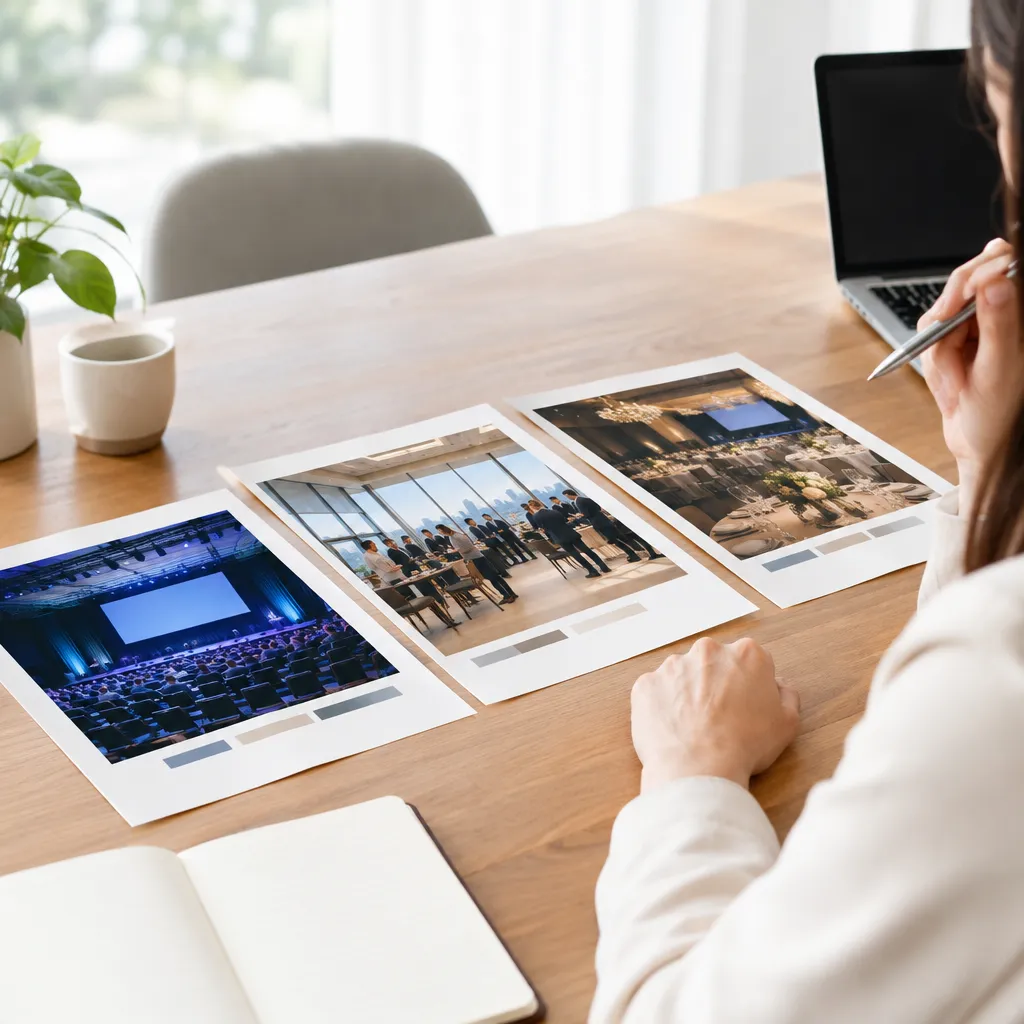
Shape the agenda around what the audience came to learn or discuss. Choose session formats that suit the purpose, then allow realistic time for transitions, questions and breaks. Confirm who owns each session, what speakers need to prepare and when materials are due; a timetable without named responsibilities can leave important tasks unresolved.
If your team is weighing up what to delegate, event planning services for corporate events in Poland can help frame the scope. In an event management conference brief, include both the programme and the work needed to deliver it.
4. Choose a venue that fits the programme and audience
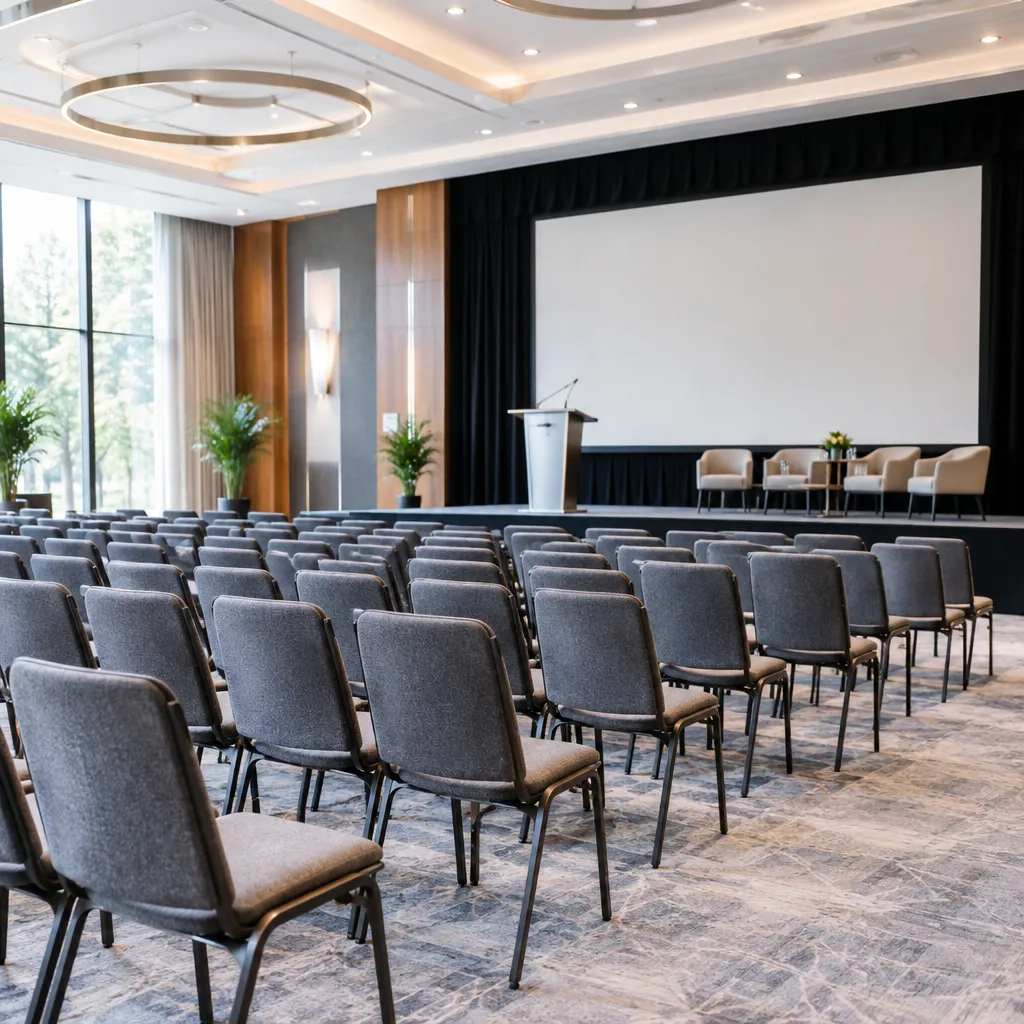
Compare venues against capacity, location, room layout, accessibility, technical requirements and attendee travel. Check that the rooms can support the formats in your agenda: a plenary session and smaller discussions may need different setups. Before confirming, ask what is included in the booking and which services require separate arrangements.
For an event in Poland, consider how easily international guests can reach the destination and move between the venue and accommodation. Confirm practical details with the venue rather than assuming that room availability also covers the equipment, staffing or timings your programme requires.
5. Coordinate suppliers and responsibilities early
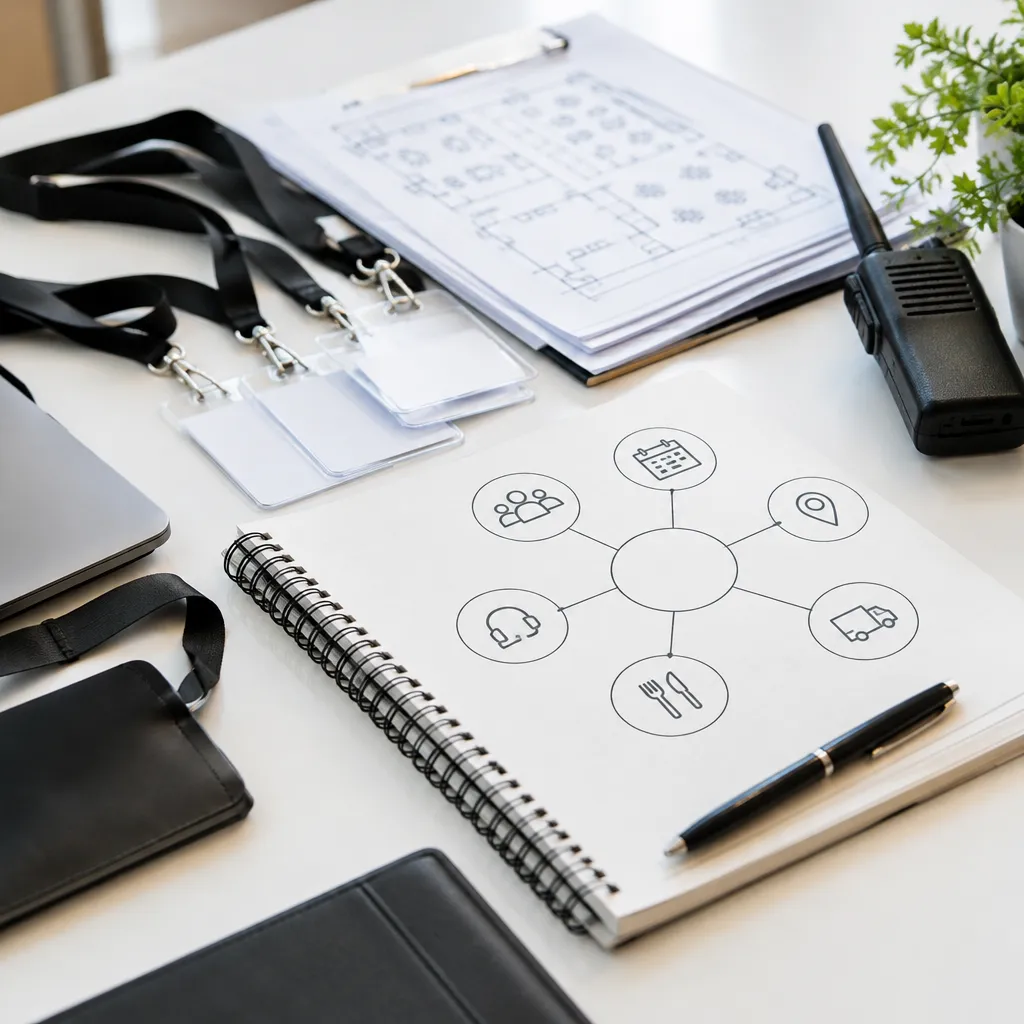
Map each supplier to a clear deliverable, contact person and deadline. Cover the services your programme needs, which may include production, catering, registration and equipment. Keep decisions and changes in one shared record, and make sure every supplier knows who can approve adjustments. This reduces last-minute chasing by the internal organiser.
Conference event planners or an experienced local coordinator can manage follow-ups on the ground and help align suppliers with the agreed plan. Before handing work over, clarify meeting dates, response expectations, decision routes and what happens if a requirement changes.

6. Give speakers and attendees clear event information
Set a communications schedule for invitations, registration confirmations, practical joining information and updates. Tell attendees what they need to know about timings, location, travel and how to contact the organising team. Brief speakers separately with their session time, format, preparation deadline and the person to approach with questions.
Set a process for late changes: who approves them, who updates the information and which guests or suppliers need to hear. Clear ownership matters more than sending frequent messages without a reliable source of current details.
7. Run event day from a shared operations plan
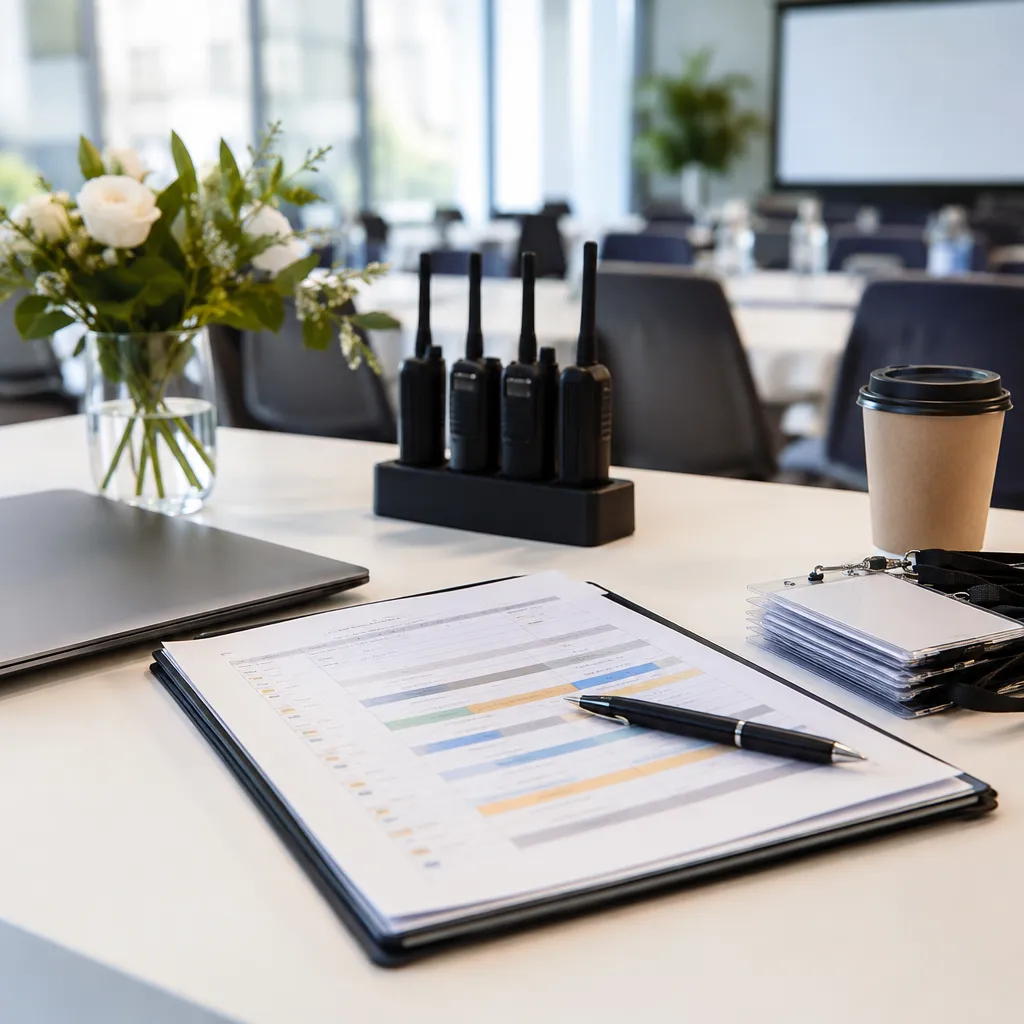
Create a run of show that sets out timings, locations, responsibilities and key contacts. Name the on-site decision-maker and make sure staff know how to raise an issue. Include workable alternatives for likely disruptions, such as a delayed speaker or a room that needs to be reset, without assuming every contingency can be predicted.
A local coordinator can keep venue and supplier communication moving while your team focuses on speakers and guests. After the conference, gather feedback and note what should change next time; this closes the loop and gives future conference event planners a clearer starting point.
Conference Planning FAQs
How do I plan a conference?
Set the objectives and audience first, then agree the budget, agenda, venue, suppliers, communications and event-day responsibilities. Track decisions against milestones and keep one current version of the plan.
What is an initial planning conference?
It is an early meeting where decision-makers align on the event’s purpose, audience, scope, budget, timeline and responsibilities. End with named owners and dates for the next decisions.
Plan your conference
If you are organising a conference in Poland, we can help you clarify the scope, milestones and local coordination needed for delivery. Start a conversation about the support that fits your event.


Agnieszka brings nearly 20 years of experience in marketing, communications and event management. At EVERITUM, she combines strategic brand thinking with practical event expertise to help international companies connect with their audiences in Poland through conferences, corporate galas and launch events. An Executive MBA graduate of WSB Merito in Poznań, she places clear communication, personal responsibility and lasting relationships at the heart of every project.