
 24 Oct 2026
 6 min read

Planning a conference in Poland involves more than finding a venue: the programme, speakers, technical production, delegate support and on-site decisions all need to work together. A clear scope for conference and event services helps you compare providers and hand over the work without losing sight of what your organisation needs.
What conference and event services should cover in Poland
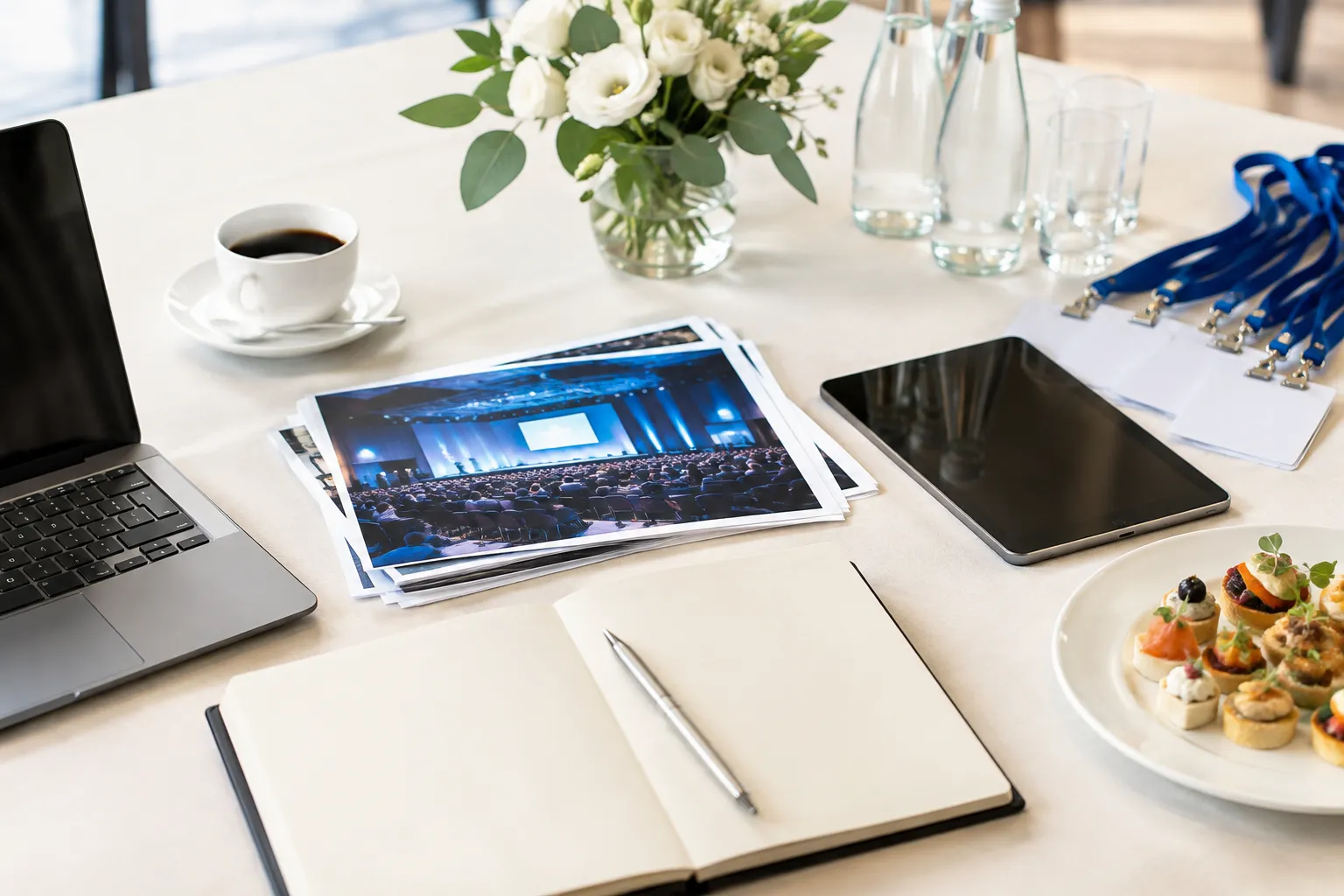
Start by checking what the proposed service includes, what remains with your internal team and who coordinates each supplier. A conference plan may cover programme logistics, venue arrangements, speaker support, delegate communications and event-day management, but providers define their scope differently. Ask for responsibilities in writing before comparing proposals.
For an overview of conference production in Poland, consider how the planning team will connect the programme, venue and suppliers rather than treating each as a separate task.
Programme planning and speaker coordination
The programme shapes practical decisions: room layouts, session changeovers, technical needs, catering breaks and speaker arrival times. Ask the corporate event planner how they will turn your agenda into a working schedule, who gathers speaker requirements and when the run-of-show will be shared.
A tightly timed agenda can help keep a conference moving, but it leaves less room for late changes. If speakers or sessions are still being confirmed, agree how updates will be handled and which decisions require your approval. Conference event planners should be able to explain how they will flag clashes or missing information early.
Delegate management and on-site support
Clarify whether the service includes registration, attendee communications, name badges, wayfinding and assistance on the day. These details matter especially when delegates are travelling from different countries or need information in more than one language.
Ask who monitors changes to registration numbers, how those changes reach the venue and catering teams, and where delegates can get help. A named on-site lead and a clear escalation route can make it easier for your internal team to step back from routine coordination.
Choose a venue that fits the programme and delegates
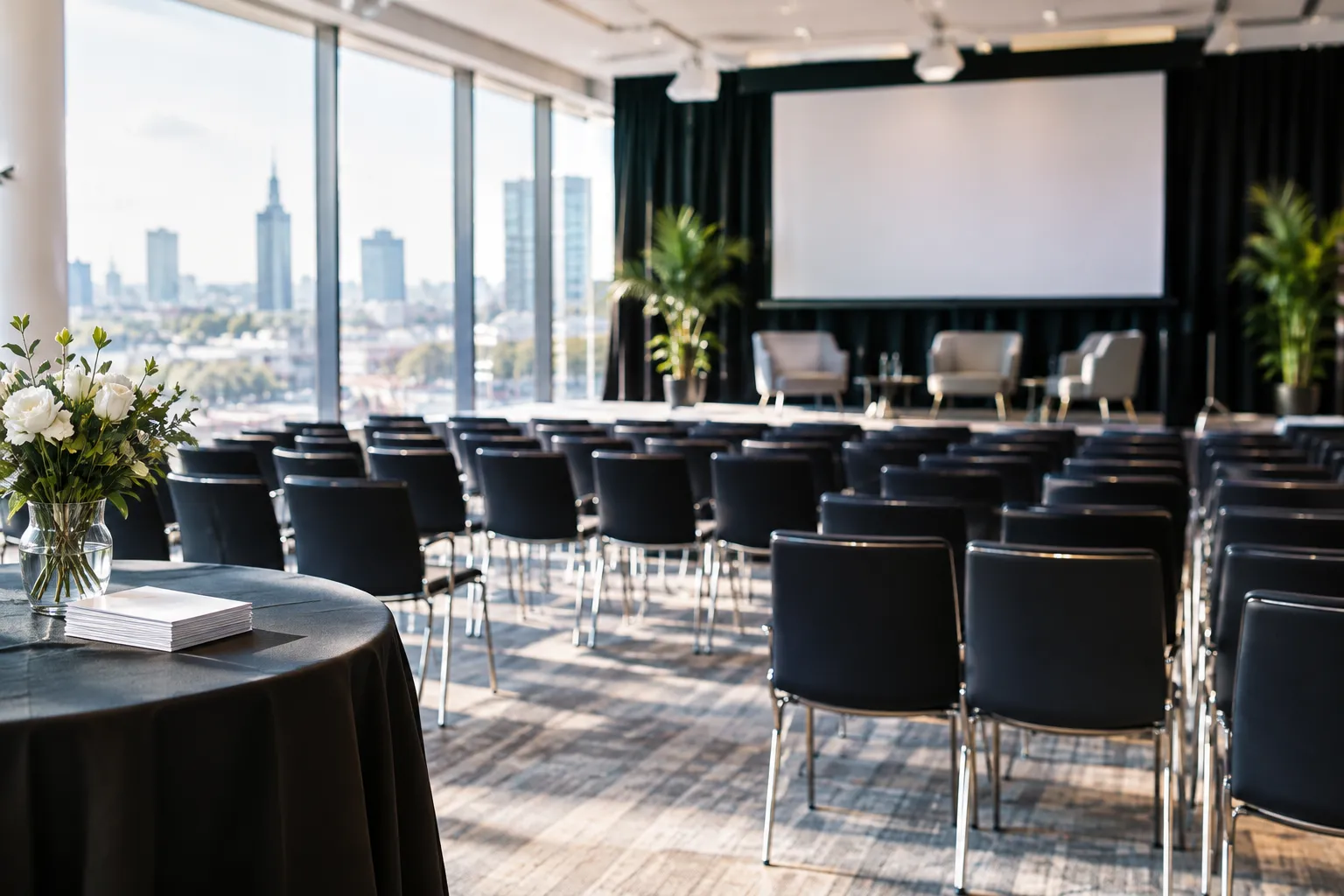
Assess venues against the event’s actual format and audience, not just their appearance. Check location and transport options, room capacity in the intended layout, breakout spaces, accommodation nearby, accessibility and what venue services are included. A venue with suitable rooms may still be a poor fit if the transitions between sessions are awkward or delegate travel is difficult.
Ask whether the venue can accommodate the full programme, including registration, catering, speaker preparation and any networking time. Confirm what is included in the proposal and which requirements need separate arrangements. For an example of a multilingual business event in the city, see this multilingual seminar in Warsaw.
The right choice depends on priorities: a central location may simplify access, while a venue with more on-site facilities may reduce the number of separate arrangements to coordinate. Ask your provider to explain the trade-offs against your audience and agenda.
Check AV, production and speaker support before you commit
List the technical needs for each session: microphones, screens, presentation formats, interpretation or streaming requirements, and any lighting or staging. Ask who checks compatibility with the venue, arranges testing and supports speakers when they present. Responsibilities can sit with the venue, an AV supplier or the event team, so confirm the hand-offs.
Find out whether there will be a technical rehearsal, what speakers need to submit in advance and how presentations will be collected and checked. Also ask what happens if equipment or a speaker’s presentation is unavailable. A practical contingency plan identifies who makes the decision and what alternative is workable.
For a broader look at the scope a provider may take on, read about event planning services for corporate events in Poland.
Compare proposals by local delivery experience

A useful proposal should make scope, responsibilities, communication and local delivery arrangements easy to assess. Compare providers on the same questions rather than relying on a broad promise to “manage everything”.
Look for evidence of comparable events
Ask for examples relevant to your conference’s format, audience, language needs and scale. A comparable event can help you understand how the provider approaches programme coordination, local venues and suppliers; it does not guarantee the same arrangements will suit your event.
For international organisations, ask how communication with your team will work and who can make local decisions. Check whether the examples show experience with the particular requirements you expect, such as multilingual materials or speaker coordination.
Confirm who owns each delivery task
Request a named contact and a responsibility list covering your team, the planner, venue and suppliers. Confirm who approves changes, who contacts speakers, who tracks open decisions and who is present on site.
Also ask how often you will receive updates, how planning meetings are scheduled and how problems are raised with proposed solutions. This is a practical way to judge whether the working relationship will reduce your workload or leave you chasing progress.
Put the right details in your request for proposal
A concise, specific request helps providers propose a scope you can compare. Include:
- Event purpose, audience and preferred dates
- Expected delegate numbers and any uncertainty around them
- Draft programme, session formats and speaker requirements
- Location preferences, venue needs and accommodation considerations
- AV, production, interpretation and language requirements
- Registration and delegate-support expectations
- Budget parameters, decision dates and approval process
- What your internal team will manage and what you want to hand over
You do not need every detail finalised before requesting proposals. Mark assumptions and open questions clearly, then ask providers to identify what they need from you, when they need it and how changes would affect the plan.
Set the next step with your preferred delivery partner
Before appointing a provider, review the scope together and agree the first planning milestones, communication rhythm, decision owners and process for changes. If you are comparing conference and congress support in Poland, use the conversation to resolve any gaps in responsibilities before work begins.
Conference planning FAQs
How far in advance should I book a conference venue in Poland?
Book once your preferred dates, approximate delegate numbers and core programme needs are clear; earlier enquiries give you more options to compare. Timing depends on the venue, season and event requirements.
Can an event agency help with accommodation blocks for delegates?
Yes, you can ask whether accommodation research or coordination is included in the proposed scope. Confirm who liaises with hotels, manages delegate information and handles any changes.
Can conference materials and signage be prepared in more than one language?
Yes, multilingual materials and signage can be included in the brief. Specify the languages, which items need translation and who approves final copy before production.
What accessibility details should I confirm with a venue?
Ask about step-free routes, accessible toilets, room access, seating arrangements, signage and any specific delegate requirements. Confirm the details directly with the venue and include them in the event plan.
Who is responsible for arranging speaker travel and accommodation?
It depends on the agreed scope, so name the owner in writing. Confirm who gathers speaker details, makes arrangements, shares itineraries and manages changes.
What should a conference contingency plan cover?
It should identify likely disruptions, decision owners, communication routes and workable alternatives for key elements such as speakers, technical equipment and room arrangements.
Can I use my organisation’s preferred AV supplier at a hired venue?
Often this is possible, but venue rules, access arrangements and technical requirements may affect the choice. Check permission, costs and responsibilities with both the venue and supplier before confirming.
How are changes to delegate numbers handled close to the event?
Agree a final-change process, including deadlines, who updates the venue and suppliers, and how any resulting adjustments are approved. Ask the planner to flag consequences promptly rather than leave your team to chase each party.
Plan your conference next step
Share your event outline and open questions to clarify the scope, responsibilities and planning process that fit your Poland-based conference.


Agnieszka brings nearly 20 years of experience in marketing, communications and event management. At EVERITUM, she combines strategic brand thinking with practical event expertise to help international companies connect with their audiences in Poland through conferences, corporate galas and launch events. An Executive MBA graduate of WSB Merito in Poznań, she places clear communication, personal responsibility and lasting relationships at the heart of every project.