
 28 Oct 2026
 3 min read


1. Define the business outcome before setting the conference size
Start with one outcome you can use to make decisions: for example, helping partners understand a new offer, sharing expertise or creating space for business conversations. This keeps small business conferences focused and gives you a basis for deciding who should attend and what success should look like.
A conference plan can then set practical measures, such as whether the right people attended or whether planned conversations took place. If you are weighing up professional delivery, explore conference production in Poland and agree early who owns decisions, updates and approvals.

2. Choose an audience size your team can serve well
Estimate attendance from the people you want to reach, not from the largest room available. Consider how many guests your team can welcome, brief and support, and whether the format calls for a broad invitation or a more focused group.
The venue and location should suit how attendees will get there and take part. Browse Poland event destinations as part of comparing options, then check practical details such as travel connections, room capacity and the space needed for registration or networking.
3. Build an agenda around practical business needs
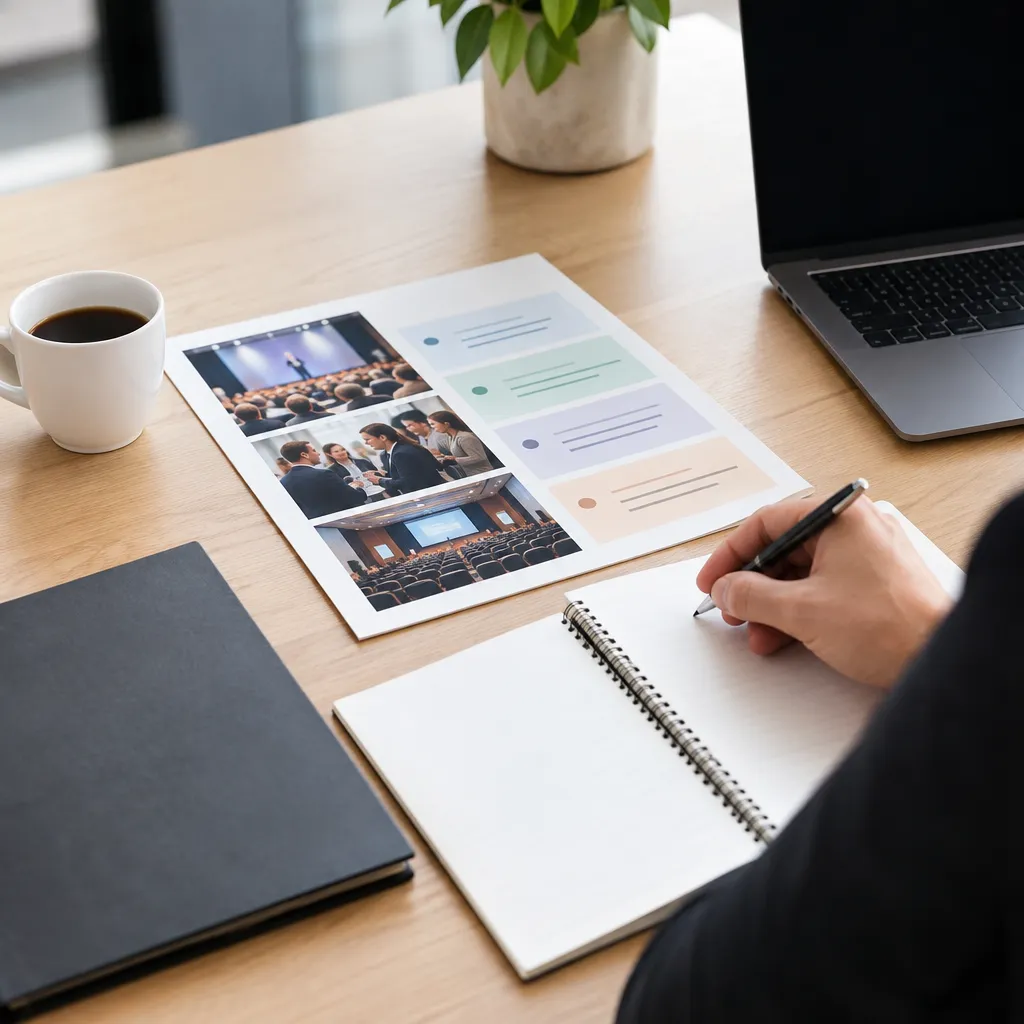
Choose topics that address what attendees need to know or discuss, then build the agenda around those priorities. A focused conference might combine short presentations with discussion or questions; allow enough time for each session and transitions rather than packing the schedule.
Ask speakers to confirm their topic, format and timing in advance. If your team is coordinating a conference in Poland alongside other business priorities, Planning a business event in Poland can help you consider the wider planning context.

4. Pick a conference format that suits your goals
A workshop suits a small group that needs to work through a specific subject. A networking-led gathering prioritises introductions and conversation, while a conference with presentations and multiple sessions can serve a broader agenda. Choose the format that supports your intended outcome, not simply the one that looks most impressive.
Small teams may benefit from conference event planners when delivery involves several suppliers, moving parts or changing requirements. Before engaging one, clarify the scope, responsibilities, meeting schedule and how updates and proposed solutions will be handled.
5. Match the venue to your audience and event plan
Compare venues against your audience’s needs and the agenda: location, room layout, accessibility, technology and catering arrangements. Check whether the space supports the planned activities, from presentations to small-group discussion, and ask what equipment is included and what must be arranged separately.
For an event in Poland, confirm who will coordinate with the venue and manage local details on the day. A clear event plan should also identify the contact for changes, the approval process and the timetable for decisions, so your internal team is not left chasing updates.

6. Set a budget that protects the attendee experience
Set a working budget across the main cost areas: venue, production, speakers, catering and contingency. The right balance depends on the event’s purpose and format; avoid cutting an element that attendees need to participate, such as suitable room set-up or clear audio.
Ask conference event planners to explain what their proposed scope covers, what sits outside it and when payments or decisions are due. A written schedule for meetings, approvals and updates can help a small team track commitments and respond to changes without carrying every detail alone.

7. Plan follow-up so small business conferences create value
Decide before the event how you will gather feedback, share useful materials and continue relevant conversations. Assign an owner and a timeframe for each action, such as sending presentation materials or following up with partners who requested a conversation.
A simple follow-up plan gives the event a clear next step without assuming a particular business result. If you are comparing support for a conference in Poland, review the Conferences & congresses service and check that its proposed scope matches your needs.
Plan Your Conference
Share your goals, audience and key requirements with our team to discuss a conference format and delivery plan in Poland.


Agnieszka brings nearly 20 years of experience in marketing, communications and event management. At EVERITUM, she combines strategic brand thinking with practical event expertise to help international companies connect with their audiences in Poland through conferences, corporate galas and launch events. An Executive MBA graduate of WSB Merito in Poznań, she places clear communication, personal responsibility and lasting relationships at the heart of every project.