
 22 Oct 2026
 9 min read
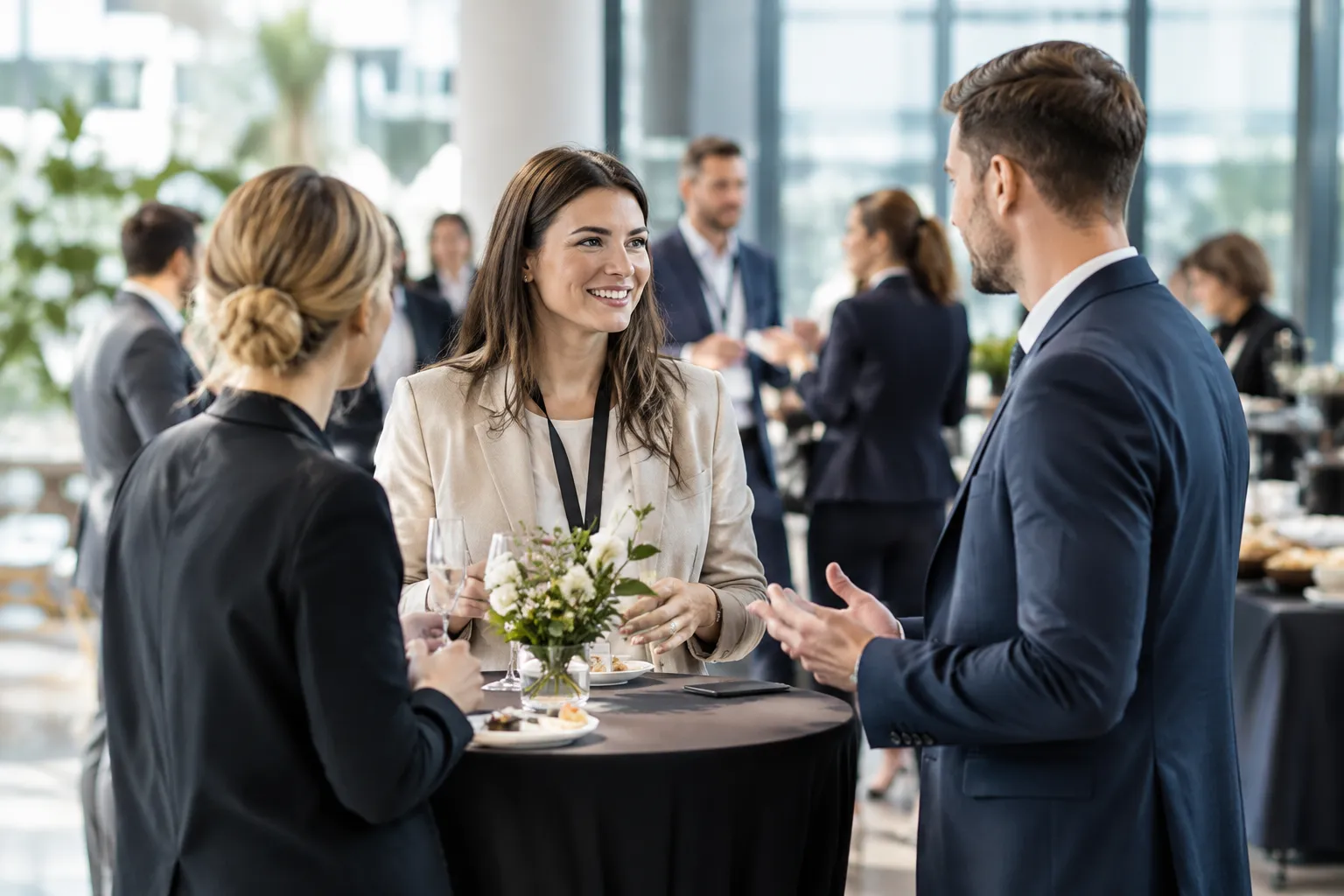
A retail launch in Poland should give the right guests a clear reason to engage with your brand: understand what it offers, experience its products and know what to do next. Well-planned corporate events can support that introduction while giving an international team a structured way to build local business relationships.
The event works best when it is designed around a specific market-entry goal, rather than treated as a stand-alone celebration. Start by deciding whom you need to meet, what you want them to understand and how local delivery will support the experience.
What a Polish retail launch event needs to achieve
A launch event can make a new retail offer tangible. Guests might see how a product works, handle materials, ask questions about availability or discuss how the brand could fit a retailer’s range. For potential partners, it can also provide a setting for direct introductions and conversation.
Set a small number of practical objectives before choosing the format. For example:
- Introduce the brand and its offer to selected local audiences.
- Give guests an opportunity to experience priority products.
- Open conversations with retail partners, distributors or other stakeholders.
- Collect questions and requests that can guide follow-up.
These objectives help keep corporate event planning focused. They also clarify what the event should not try to do: a single gathering cannot replace broader market research, sales planning or ongoing relationship-building.
For international teams, market entry events can bring the brand’s message and the local guest experience together. Business event management then covers the work that turns that plan into a coordinated event: schedule, venue, suppliers, guest communication, on-site roles and follow-up. When comparing providers, ask who owns each part and how changes will be handled.
Choose guests and a format around your market-entry goals
The guest list and event structure should follow from the purpose of the launch. An event designed to start retail distribution conversations will need a different invitation plan and pace from one focused on letting prospective customers try products.
Invite the people who can move the launch forward
Begin with the decisions or relationships you want to support. Depending on your route to market, priority guests may include potential customers, retail buyers, distributors, local business partners, media or other stakeholders. Not every group needs to be invited to the same session.
Consider separating audiences if their needs differ. Trade guests may want time to discuss product range, supply or partnership possibilities, while consumers may value guided demonstrations and a more open discovery format. A focused guest list can make the event easier to host and help each guest understand why they were invited.
A simple audience plan can record:
- The group or role you want to reach.
- What that group should learn or experience.
- Who will invite and welcome them.
- What follow-up would be relevant after the event.
Guest research and event PR may also help shape invitations and communications around a Poland launch. The scope should be clear: agree what audience information will be gathered, how it will be used and who will manage replies.
Match the event format to the audience
A product launch, partner gathering, demonstration-led open house or business dinner can each serve a different purpose. A launch presentation may suit a brand introduction; a smaller partner session can allow more time for discussion; a business dinner can create space for relationship-building when conversation is the priority.
Choose the format by asking:
- How many guests can be meaningfully involved?
- How much presentation time is necessary?
- Do guests need to handle, try or compare products?
- Is the main goal discovery, discussion or a mix?
- What next step should be easy to take at the event?
Keep the programme proportionate. Too many speeches can leave little time for the product experience, while an unstructured event may make it unclear how guests should engage. Effective corporate events balance a clear welcome and key information with enough time for useful conversation.
Select a venue that supports the retail experience
A venue should make the product easy to discover and the event straightforward to navigate. Consider how guests will arrive, where they will be welcomed, how demonstrations will work and whether people can move comfortably between the main activities.
For a retail launch, the layout matters as much as the setting. A demonstration area may need clear sightlines, suitable surfaces and room for guests to gather without blocking other activity. If the event includes a presentation, plan how guests will move from that moment to product exploration or networking.
Before committing, check practical details with the venue and event team:
- Does the space support the event’s guest numbers and format?
- Can it accommodate the products, displays and demonstration equipment?
- Are there suitable areas for welcome, presentation and conversation?
- What access, set-up and supplier arrangements need to be confirmed?
- Are the venue’s location and arrival instructions clear for invited guests?
A polished venue cannot compensate for an awkward flow. Ask for a layout plan and walk through the guest journey from arrival to departure. This is especially useful when the event combines a formal introduction with hands-on retail activity.
Make product demonstrations useful and memorable
A demonstration should show guests something they can understand, try or ask about—not simply display products in a row. Choose a small number of products or use cases that support the launch message, then plan how each will be presented.
For every demonstration, decide who will lead it, how long it should take and what guests can do themselves. A short guided experience can explain a product’s key features, followed by time for individual questions. If products require handling, make sure there is enough room and that staff know how to support guests without crowding them.
Where the demonstration connects physical and online sales, show the journey clearly: for example, how a product is presented in-store and how the online shop relates to that offer. Rkassa provides a Dutch point-of-sale system for fashion, retail and bookshops, with inventory management and webshop integration for businesses looking to connect physical and online sales.
Before the event, test the full demonstration sequence with the people who will deliver it. Check that any devices, displays or digital journeys are ready, and agree what to do if a live element does not work as planned. The goal is a useful guest experience, not a technical showcase for its own sake.
Coordinate local delivery and turn interest into next steps
A strong concept still needs dependable local delivery. Agree the planning schedule, decision-makers and responsibilities early, then keep them visible as requirements develop. This gives an international team a shared view of what is confirmed, what remains open and when decisions are needed.
When comparing corporate event planning services, look beyond the initial idea. Ask how the provider will coordinate local suppliers, manage changes, communicate progress and staff the event day. Clear answers can help an internal planner hand over operational details without having to chase every task.
Coordinate suppliers, language and on-site operations
For an event in Poland, confirm who will coordinate with the venue and local suppliers, who will manage the schedule and who will support guests on site. If the international team is working in English, agree which event communications and planning discussions will be in English and how local-language needs will be handled.
A practical responsibility plan should cover:
- A named contact for the client team and for key suppliers.
- A schedule for planning meetings, decisions and updates.
- A current run sheet with timings, owners and contact details.
- On-site roles for guest welcome, speakers, demonstrations and issue handling.
- A process for approving changes and communicating their impact.
These details are central to business event management. They also help the team prepare for likely adjustments, such as a change to the guest list, presentation order or product display. Ask the planner to propose a solution when a change affects the schedule or guest experience, rather than leaving the internal team to work out every knock-on effect alone.
Follow up with guests after the event
Follow-up turns event conversations into clear next steps. Before the launch, decide who will contact each guest group, what information they should receive and when the follow-up will happen. The message could share product details, answer a question raised at the event or propose a relevant business conversation.
Capture useful notes during the event, with an agreed approach to handling guest information. Record questions that need a response and assign an owner to each one. A timely, relevant follow-up is more useful than sending every guest the same generic message.
For a market-entry launch, review the outcomes against the goals you set at the start. You might track attendance against invitations, the number of relevant conversations, questions raised, follow-up requests or meetings agreed. These measures show what happened; they do not by themselves prove wider commercial results.
Corporate event planning FAQs
What qualifies as a corporate event?
A corporate event is an organised gathering connected to a company’s business purpose, such as a product launch, conference, partner gathering or business dinner. Its format and guest list should reflect the outcome the company wants to support.
How far in advance should we plan a retail launch event in Poland?
Start planning as soon as the launch date, audience and format begin to take shape; the lead time needed depends on venue availability, supplier requirements and event complexity. Build in decision points for guest communications, product preparation and technical checks.
How do we set a budget for a corporate launch event?
Set the budget by listing the required elements—such as venue, catering, production, demonstrations, staffing and guest communications—and separating essentials from optional extras. Ask providers to clarify what each scope includes and how requested changes affect it.
Should a new retail brand invite consumers or focus on trade partners first?
Choose according to the next market-entry step: invite trade partners when distribution or retail relationships are the priority, and consumers when product discovery is central. If both matter, consider separate sessions so each audience gets a relevant experience.
What event language should an international brand use in Poland?
Use the language your invited guests can comfortably follow, and confirm it for invitations, presentations, signage and on-site support. An international team may plan in English while arranging Polish-language communication where the audience or event requires it.
How can we measure whether a launch event was successful?
Measure the event against its agreed objectives, using indicators such as attendance, relevant conversations, product questions and follow-up meetings requested. Review what guests engaged with and what needs action, without treating event activity alone as proof of sales or market-entry success.
What should guests be able to do or take away from a retail product demonstration?
Guests should be able to understand the product’s intended use, experience relevant features and ask questions. Give them a clear next step, such as where to find product information or whom to contact about a business enquiry.
Can an event agency in Poland coordinate a launch for an international team?
Yes, an agency based in Poland can coordinate local venues, suppliers, schedules and on-site delivery for an international team. Before appointing one, agree the working language, communication rhythm, responsibilities and process for handling changes.
Plan a launch event that opens doors in Poland
If you are weighing up corporate event planning options, start with the audience, the product experience and the local coordination your team needs. We can help you shape those requirements into a practical plan for a retail launch in Poland.
Related resources


Agnieszka brings nearly 20 years of experience in marketing, communications and event management. At EVERITUM, she combines strategic brand thinking with practical event expertise to help international companies connect with their audiences in Poland through conferences, corporate galas and launch events. An Executive MBA graduate of WSB Merito in Poznań, she places clear communication, personal responsibility and lasting relationships at the heart of every project.